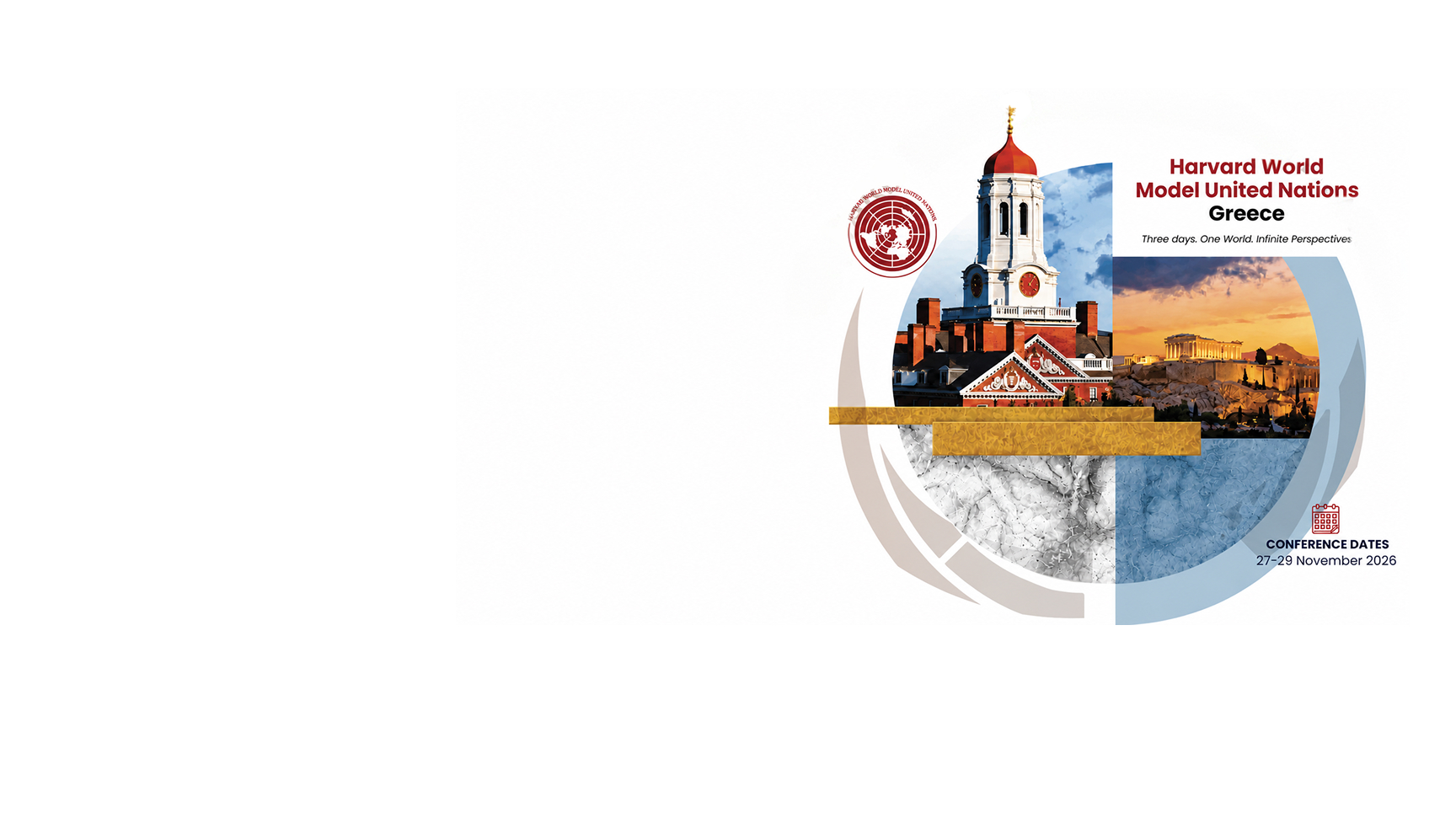
Harvard World Model United Nations Greece

Harvard World
Model United Nations

A premier international relations simulation gathering over 2,000 delegates from more than 110 countries. Hosted in Athens — the birthplace of democracy.

Hosted by
ACS Athens
2,000+
Global delegates
110+
Countries
20
UN committees
3
Days in Athens
About the Conference

It's more than a conference.
It's a global movement.

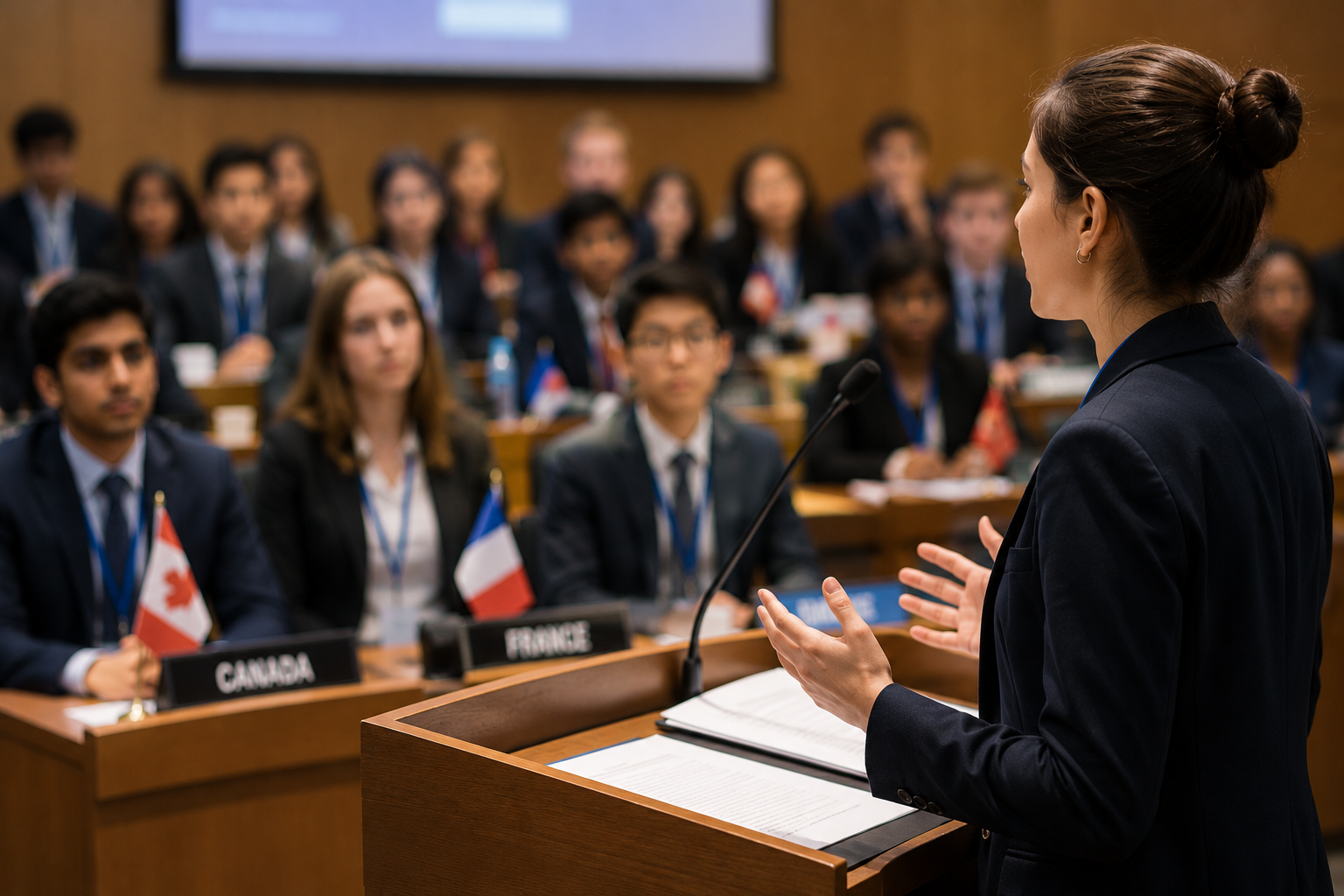
Harvard World Model United Nations Greece is a premier international relations simulation designed to inspire and empower students to become global leaders. Organized annually by Harvard University students in partnership with a local host team, the conference gathers over 2,000 delegates from more than 110 countries.

This program offers a unique blend of high-level debate, cultural immersion, and social engagement — creating an environment where diverse perspectives are not only heard, but celebrated.

Recognized for its academic rigor and vibrant international community, WorldMUN is more than just a Model UN — it's a life-changing experience that fosters empathy, understanding, and a commitment to global cooperation.
The WorldMUN Experience

The Three Pillars

An unforgettable diplomatic journey, built on three foundational principles that shape every delegate's experience.

Substantive Excellence
01

Substantive Excellence

Twenty simulated UN committees representing member states, international organizations, and NGOs — led by an engaged dais on the world's most pressing challenges.

  • 20 UN-style committees
  • Expert dais leadership
Cultural Connection
02

Cultural Connection

The 'WorldMUN Spirit' — a guiding principle that encourages friendship and cooperation across borders, and a deeper understanding of perspectives beyond one's own.

  • Cross-border friendships
  • Global Village experience
Delegate Experience
03

Delegate Experience

From dynamic debates and diplomacy in committee to meaningful connections with peers worldwide, the conference offers an unforgettable and enriching journey.

  • Diplomacy in action
  • Lifelong peer network
Program Details

Conference Details.

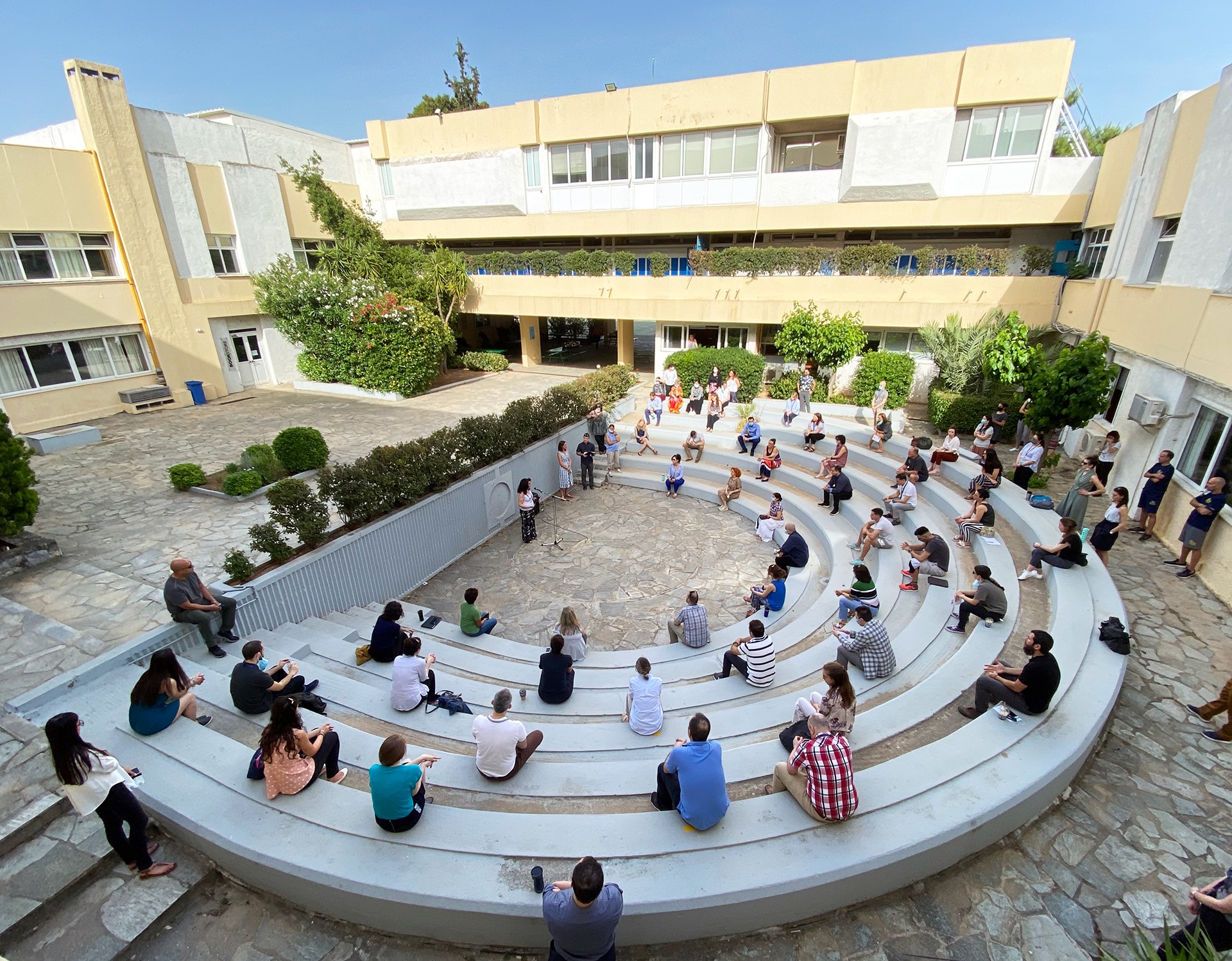
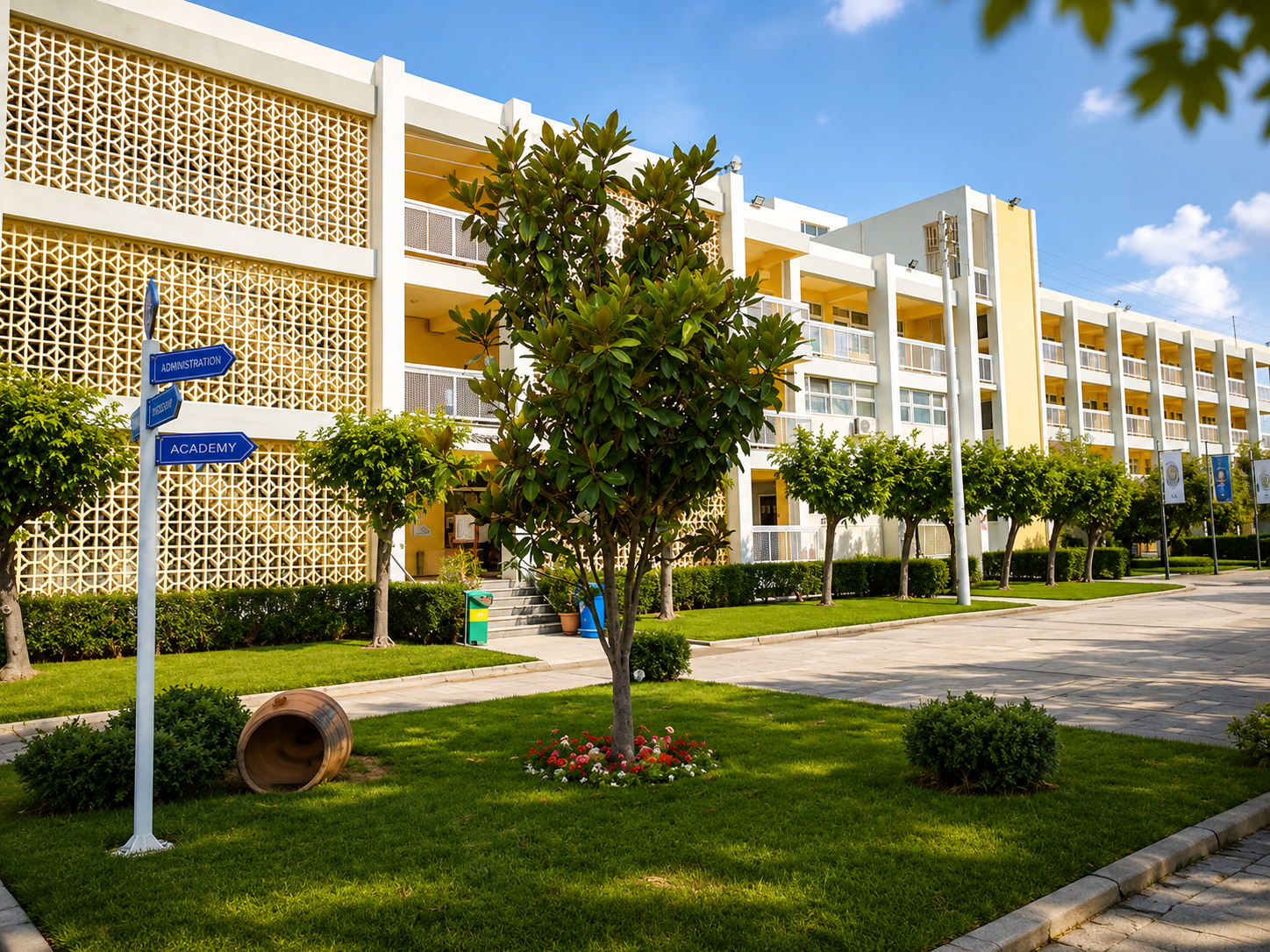
ACS Athens campus

ACS Athens · Host Campus

In-person at

ACS Athens, Greece

Conference Fee

USD 400

Conference Dates

27 Nov – 29 Nov 2026

Duration

3 days

Eligibility

Grades 6–12

Certification

Certificate of Participation from Harvard World Model United Nations

Conference Objectives

Designed with purpose.
Delivered with rigor.

01

Promote Global Awareness & Diplomacy

Encourage delegates to explore pressing international issues through the lens of diplomacy and cooperation.

02

Foster Cross-Cultural Understanding

Create an inclusive environment that celebrates cultural diversity and builds friendships across borders.

03

Develop Leadership & Communication

Enhance abilities in negotiation, public speaking, collaboration, and critical thinking through committee sessions.

04

Simulate Real-World Decision-Making

Provide realistic simulations of UN bodies to help students understand the complexity of global governance.

05

Inspire Civic Engagement

Empower young leaders to return to their communities with a deeper sense of civic duty and commitment to change.

03

Develop Leadership & Communication

Enhance abilities in negotiation, public speaking, collaboration, and critical thinking through committee sessions.

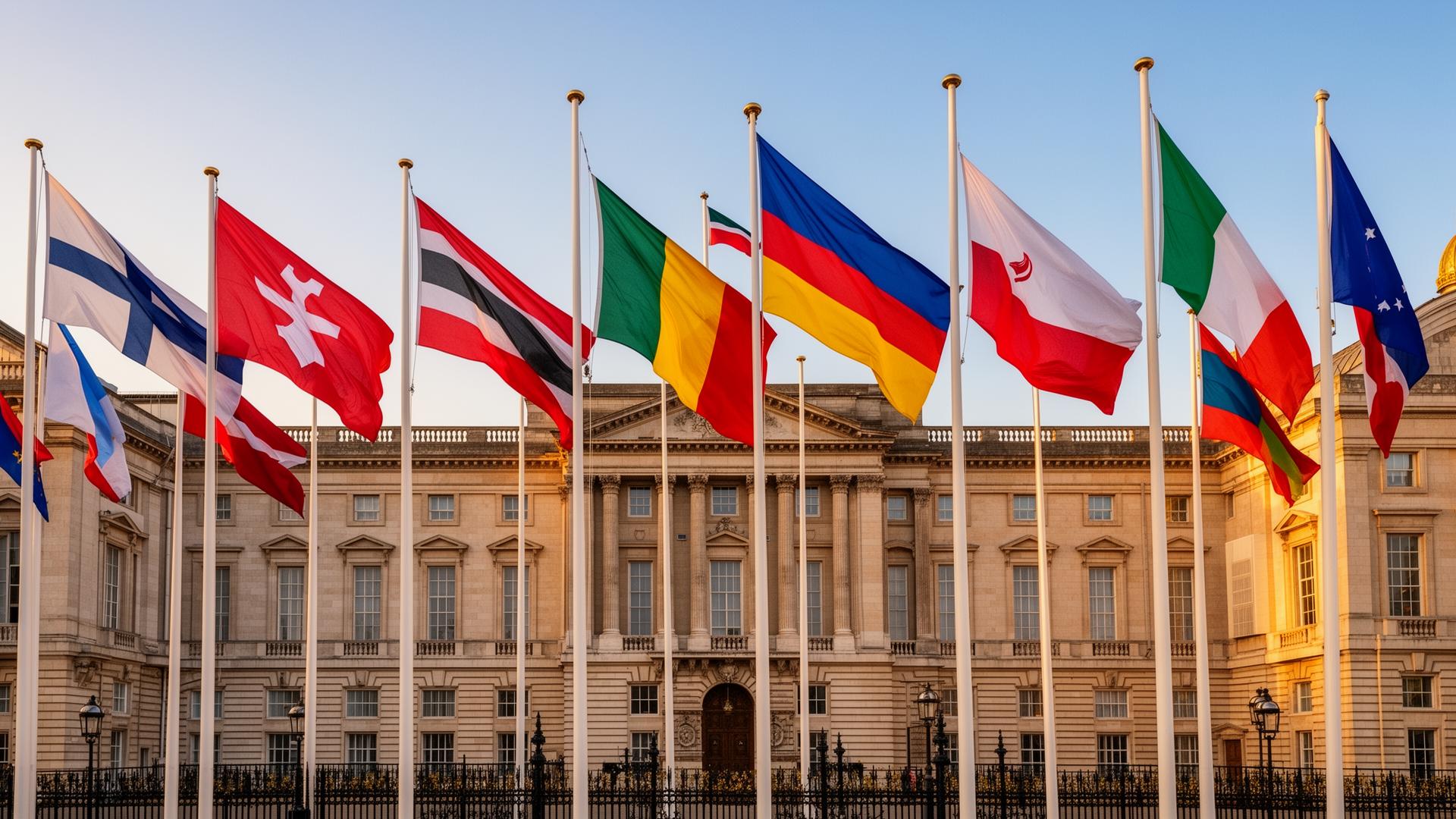
International flags
Key Benefits for Students

What every delegate takes home from Athens.

01

Global Perspective

A deeper understanding of global challenges and international institutions.

02

Leadership & Teamwork

Lead, compromise, and collaborate effectively in high-pressure multicultural settings.

03

International Network

Build lifelong connections with peers from over 100 countries.

04

Negotiation & Public Speaking

Strengthen persuasive communication and diplomacy through resolutions.

05

Confidence & Critical Thinking

Sharpen creative problem-solving and the ability to think on one's feet.

06

A Harvard Credential

Earn an official Certificate of Participation from Harvard WorldMUN.

Tentative Schedule

Three days.
One unforgettable assembly.

A well-structured day that balances academics, activities, and personal growth.

8:00 am — 4:00 pm
  • 08:00 am — 09:00 amRegistrations
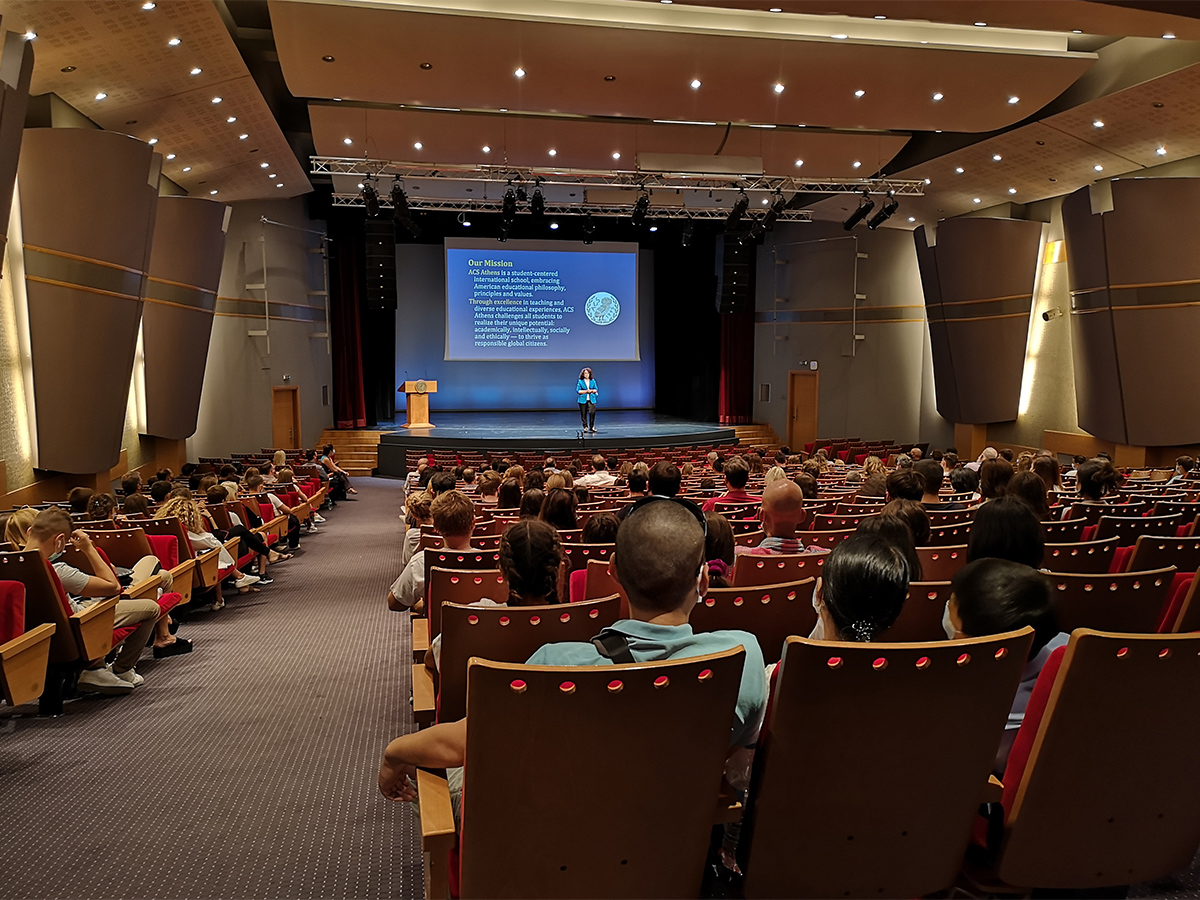
  • 09:15 am — 11:00 amOpening Ceremony
  • 11:15 am — 11:45 amLunch Break
  • 12:00 pm — 01:45 pmCommittee Session
  • 02:00 pm15 minutes break / feedback
  • 02:15 pm — 03:45 pmCommittee Session
  • 04:00 pm15 minutes feedback
  • 09:00 am — 10:45 amCommittee Sessions
  • 11:00 am15 minutes feedback
  • 11:15 am — 11:45 amLunch Break
  • 12:00 pm — 01:45 pmCommittee Session
  • 02:00 pm15 minutes break / feedback
  • 02:15 pm — 03:45 pmCommittee Session
  • 04:00 pm15 minutes feedback
  • 09:00 am — 10:45 amCommittee Sessions
  • 11:00 am15 minute feedback
  • 11:15 am — 11:45 amLunch Break
  • 12:00 pm — 01:45 pmCommittee Session
  • 02:00 pm15 minutes break / feedback
  • 02:15 pm — 04:00 pmClosing Ceremony

"The roots of education are bitter, but the fruit is sweet." – Aristotle

Committees

A curated selection of simulated bodies. The full roster of twenty is announced to accepted delegates.

Cobalt Mining in the Congo

GA: Disarmament and International Security Committee (DISEC)

TOPIC: Cobalt Mining in the Congo

DISEC will address the human cost of cobalt mining in the Democratic Republic of the Congo, where children and civilians are exploited under inhumane conditions. While cobalt is essential to the global tech economy, its extraction raises serious ethical and security concerns. Delegates will examine the international community's role in enabling these practices and propose multilateral solutions to regulate supply chains, protect vulnerable communities, and ensure ethical resource governance.

International Monetary Fund Bailouts and their Consequences

GA: Economic and Financial Committee (ECOFIN)

TOPIC: International Monetary Fund Bailouts and their Consequences

ECOFIN will explore the effectiveness of IMF interventions in countries facing repeated financial crises. Through case studies of Pakistan, Egypt, and Côte d'Ivoire, delegates will assess whether IMF policies have fostered sustainable development or entrenched debt cycles. Using diverse economic metrics and methodologies, the committee will evaluate the long-term implications of IMF involvement and propose reforms to promote financial stability, equity, and accountability.

Healthcare Treatment and Stigmas Surrounding its Provision

GA: Social, Humanitarian, and Cultural Committee (SOCHUM)

TOPIC: Healthcare Treatment and Stigmas Surrounding its Provision

SOCHUM will examine how cultural norms, legal restrictions, and economic barriers limit access to sexual and reproductive health and rights (SRHR) worldwide. With particular focus on marginalized populations, the committee will evaluate structural inequalities and propose inclusive policies that expand access to comprehensive SRHR education, services, and protections — especially in low-resource and conservative settings.

Protecting and Preserving Biodiversity

GA: Special Political and Decolonization Committee (SPECPOL)

TOPIC: Protecting and Preserving Biodiversity

SPECPOL will address the global biodiversity crisis, with wildlife populations declining by nearly 70% since 1970. Delegates will assess the root causes of ecosystem collapse — such as habitat destruction, climate change, and overexploitation — and debate solutions that reflect their nations' ecological and geopolitical interests. The committee will work to develop cooperative strategies for preserving global biodiversity and securing a sustainable future.

Collectivized and Collaborative Action of Populations for the Sake of National Development

ECOSOC/RB: Commission for Social Development (CSocD)

TOPIC: Collectivized and Collaborative Action of Populations for the Sake of National Development

CSocD will explore how local, community-led approaches can drive effective poverty reduction. Drawing on models like the Harlem Children's Zone, delegates will consider how systems-level interventions — coordinated across education, health, and economic support — can be adapted globally. The committee will assess the cultural, financial, and political challenges of implementing place-based strategies in diverse international contexts.

Digital Learning and Educational Inequities

GA: Legal Committee

TOPIC: Digital Learning and Educational Inequities

The Legal Committee will investigate how disparities in digital access and literacy widen global educational inequalities. Delegates will examine the legal responsibilities of governments and institutions in ensuring digital inclusion, especially for underserved communities. Topics include teacher training, student access, funding, and data privacy. The committee will develop rights-based frameworks to support equitable digital learning worldwide.

and many more…
Applications Open

Take your seat at the table where the
next generation of leaders is forged.

Seats are allocated by school delegation and reviewed on a rolling basis. Submit your interest to receive the official application and country assignment.

Apply Now
ACS Athens, Greece27 Nov – 29 Nov 2026