I
Who It's For
Students curious about law, politics, justice, and global affairs - no previous experience required
“The law is a conversation before it is a verdict.”
A six-day intensive for students ready to explore the law — its history, its contradictions, and the pressing questions that define our world.
It is an argument about power, fairness, and human possibility.
From the courts of ancient Athens to the assemblies of the United Nations, the law has always reflected the societies that write it — and the individuals brave enough to challenge it. The HUGEM Pre-Law Horizons Program invites students into that conversation.
Over six intensive days, students will engage with legal theory, political history, international law, ethics, and public service. Students will hear from guest speakers on the front lines of change.
They will spend a full day giving back to the local community and exploring public interest law. And they will leave having argued their own case for how the law should be different.
“Law is not what lawyers know. It is a question every generation must answer for itself.”
Legal literacy, critical thinking, public service, and the confidence to argue for change.
Students curious about law, politics, justice, and global affairs - no previous experience required
Six days of lectures, workshops, community service, and guest speakers building toward a final policy capstone.
Historical background, critical thinking skills, a spirit of public service, and the confidence to argue for change.

Six days inside the rooms where the law is studied.
A focused academic program at Harvard University for students in Grades 8–12.
Everything included
Each day adds a new layer of context before students argue their own proposal on Saturday.
What kind of law am I interested in?
From ancient Greece to contemporary society — why does law exist?
What are the differences between democracy, theocracy, and autocracy?
How and when was the U.S. Constitution written?
How are governments connected to the economy?
How does a lawyer establish facts in a case?
What can the UN do when international law is broken?
How does interconnectedness change the law?
Is state independence possible in a globalized world?
How do I write persuasively in an AI-dominated world?
When and how are decisions made about changing the law?
What is justice, and who is justice for?
What are emerging lawyers thinking about?
You are a policymaker in your home country. Make one change to the law.
Students partner with a local Cambridge/Boston organization for hands-on volunteer work.
What does it look like to build a career around service rather than status?
Legal aid, public defense, prosecution, and nonprofit advocacy careers.
How do lawyers use their license to serve people who can't afford one?
Students argue their proposed legal change before a panel.
Recognition for outstanding capstone arguments and program achievement.
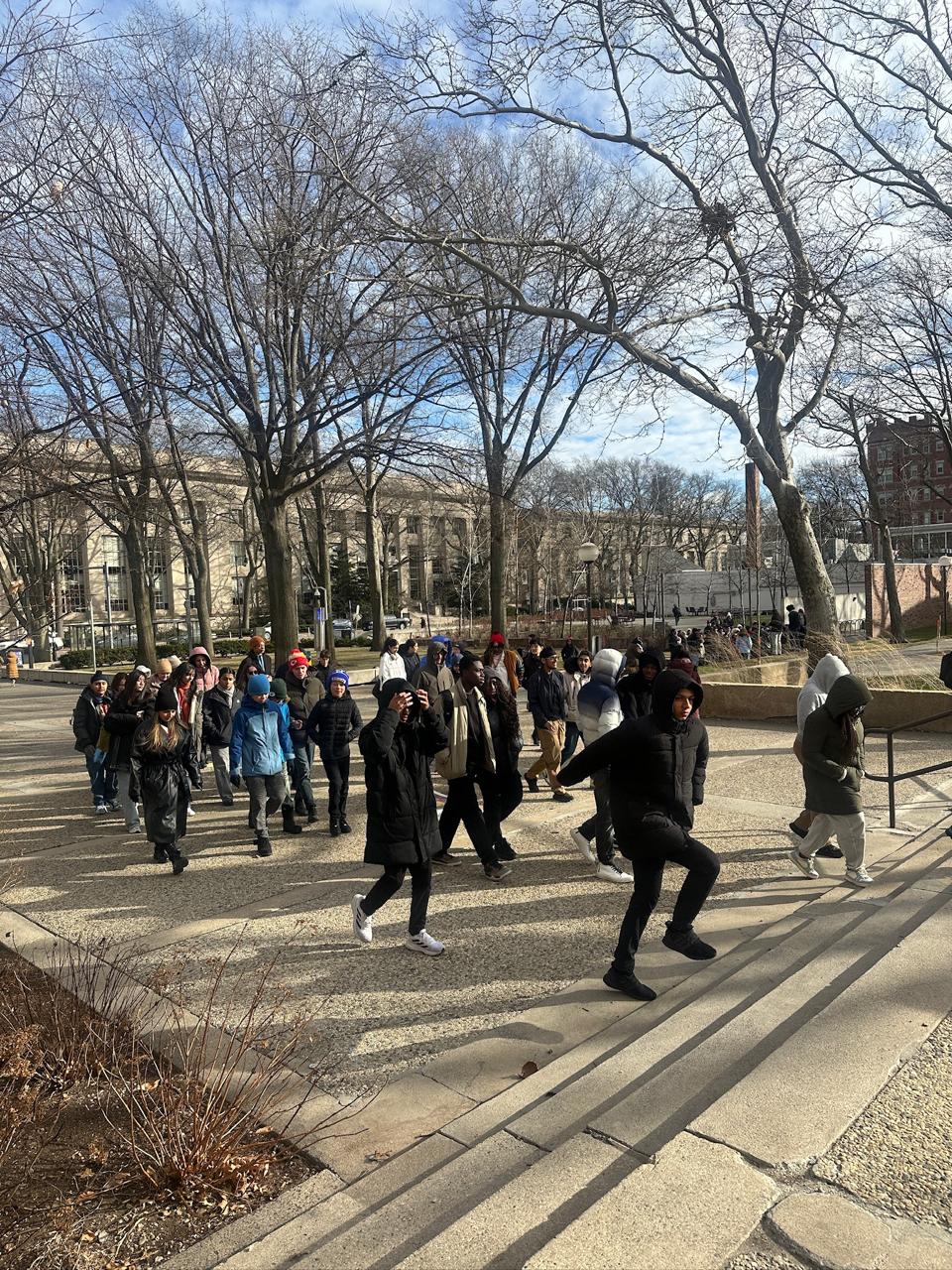
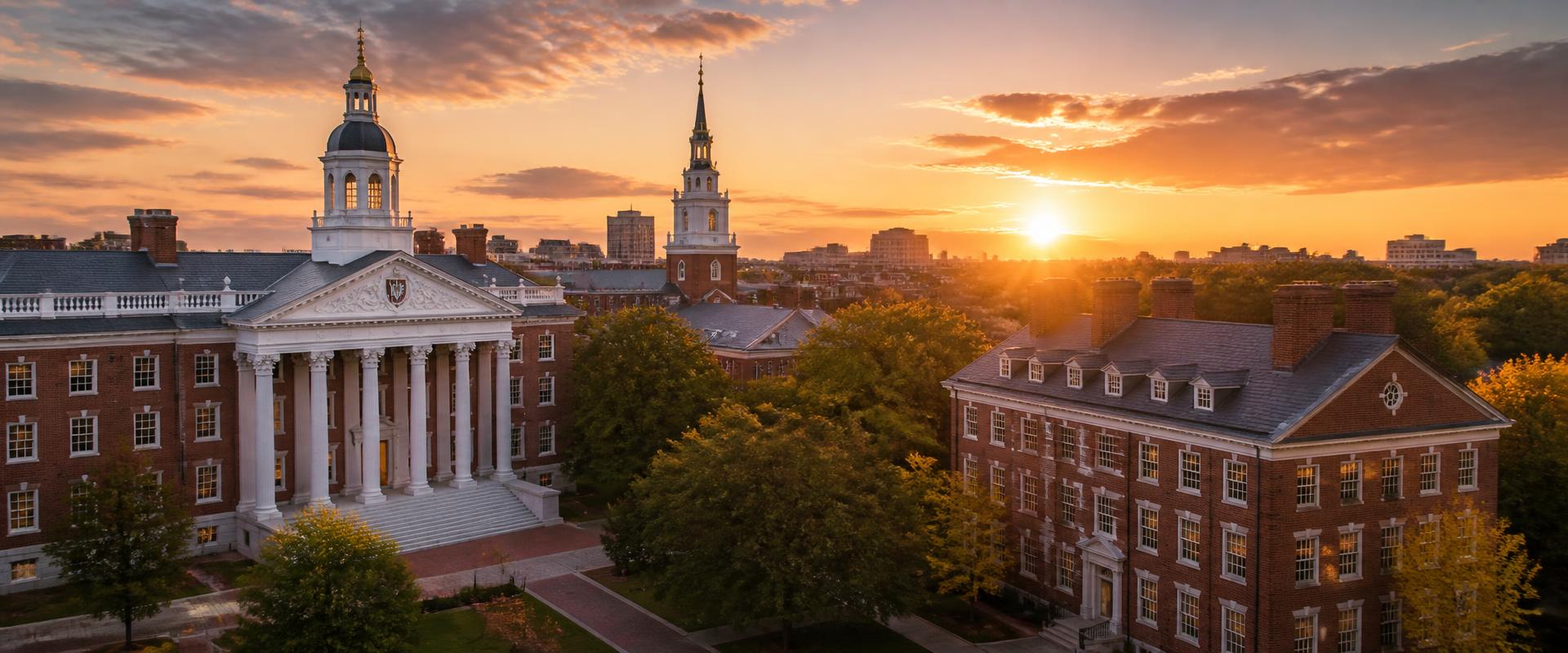
Walk through Harvard Yard and the historic libraries, tracing the architecture and traditions that have shaped American legal education.
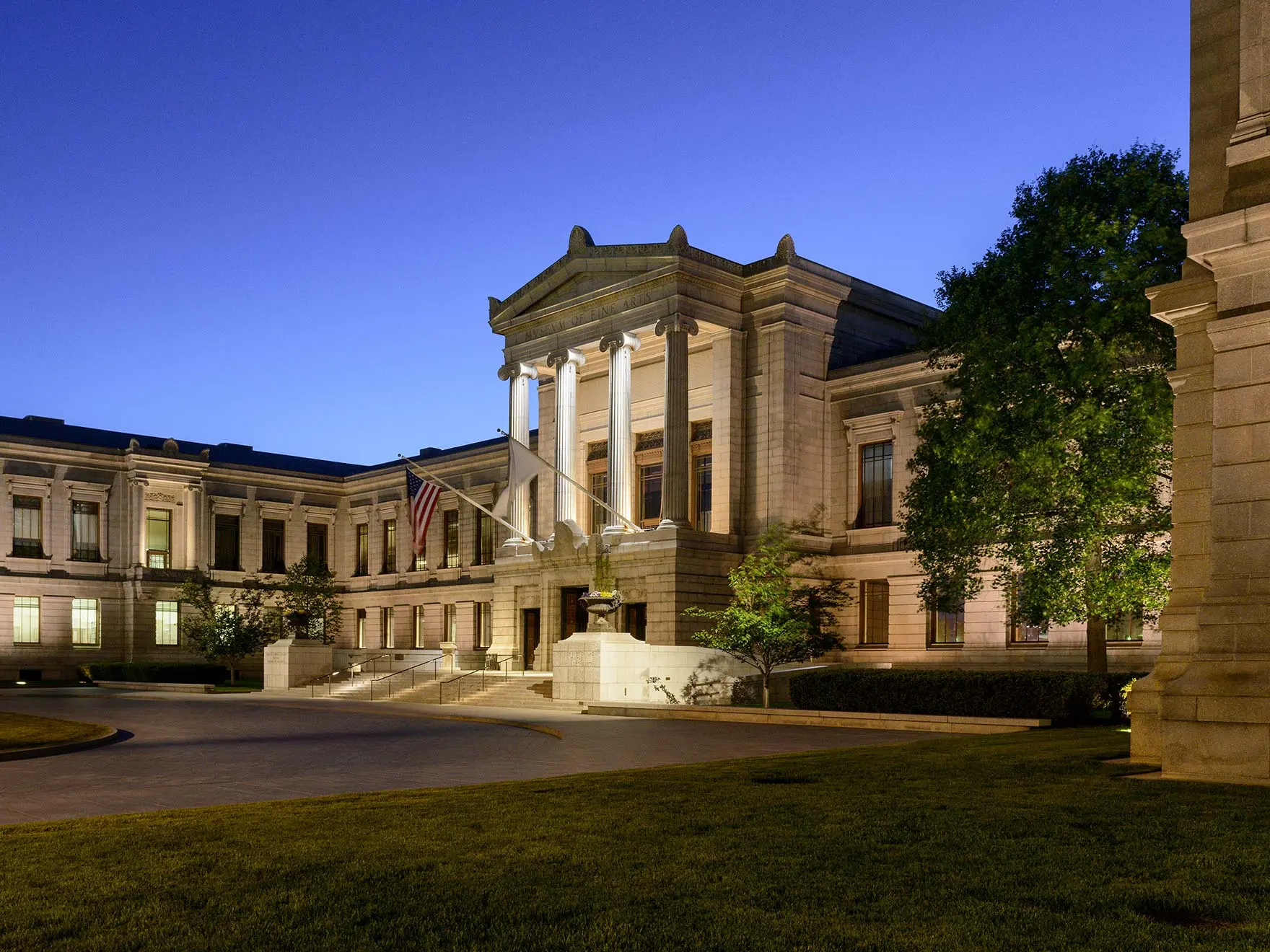
A guided visit to Boston's premier cultural institution, exploring the intersections of art, ethics, and justice through historical and contemporary collections.
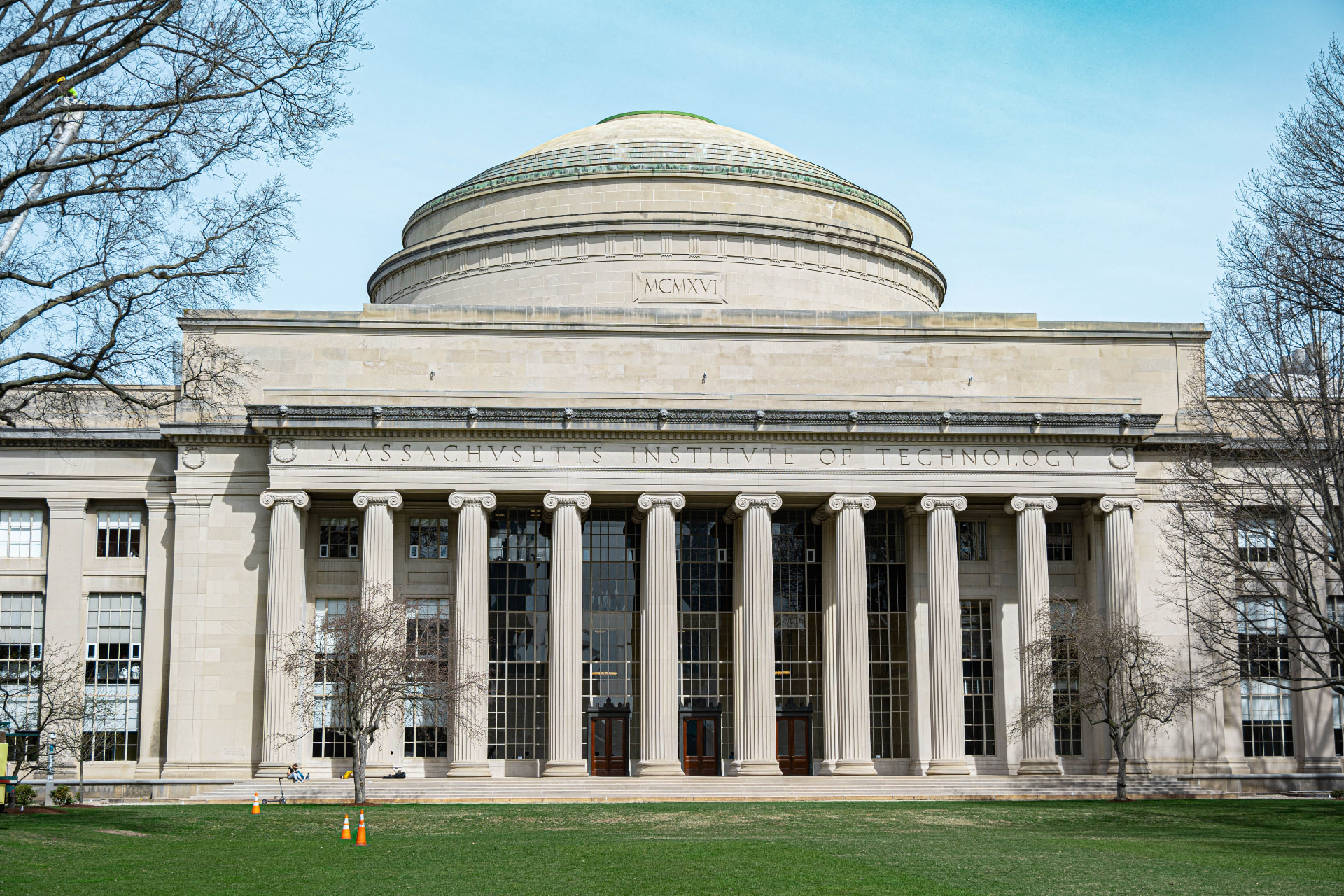
Discover the innovations coming out of MIT and consider the legal questions surrounding emerging technology, research, and policy.
You are a policymaker in your home country. Make one change to the law.
On the final day, students argue their proposed legal change before a panel. Outstanding capstone arguments and program achievement are recognized during the awards and certificate ceremony.
Current Harvard undergraduates from HUGEM lead every session — sharing research, campus life, and the questions that shaped their own journeys.

Social Studies & Environmental Science and Public Policy
Junior from Nashville studying Social Studies and Environmental Science & Public Policy. Third-year HUGEM Board member focused on curriculum and operations. Passionate about climate policy, civil discourse, and travel.
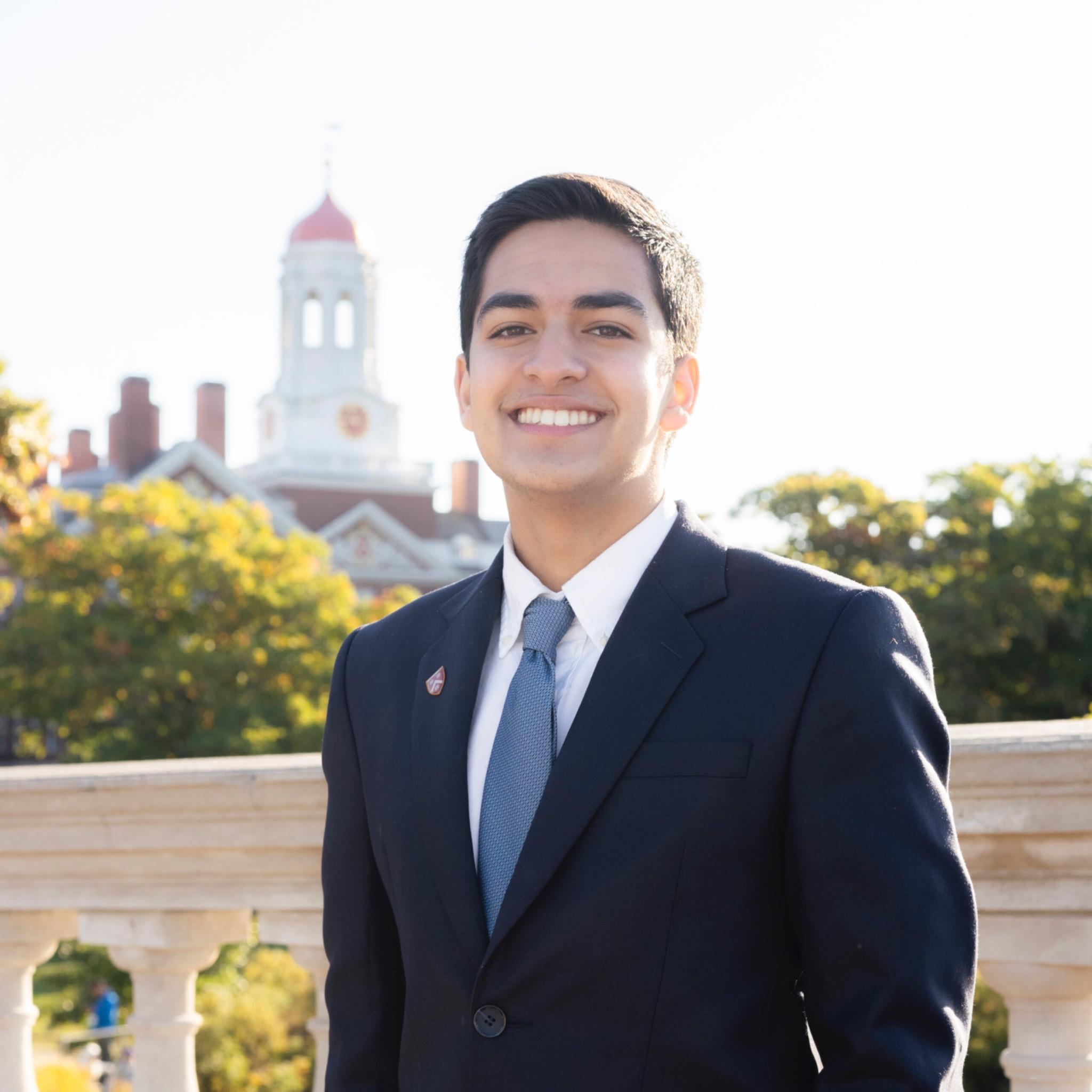
Neuroscience & Anthropology · Co-President, HUGEM
Junior from California studying Neuroscience & Anthropology with a secondary in Global Health. Co-President of HUGEM, researching adolescent health and systems innovation. Loves hiking, cities, and good food.
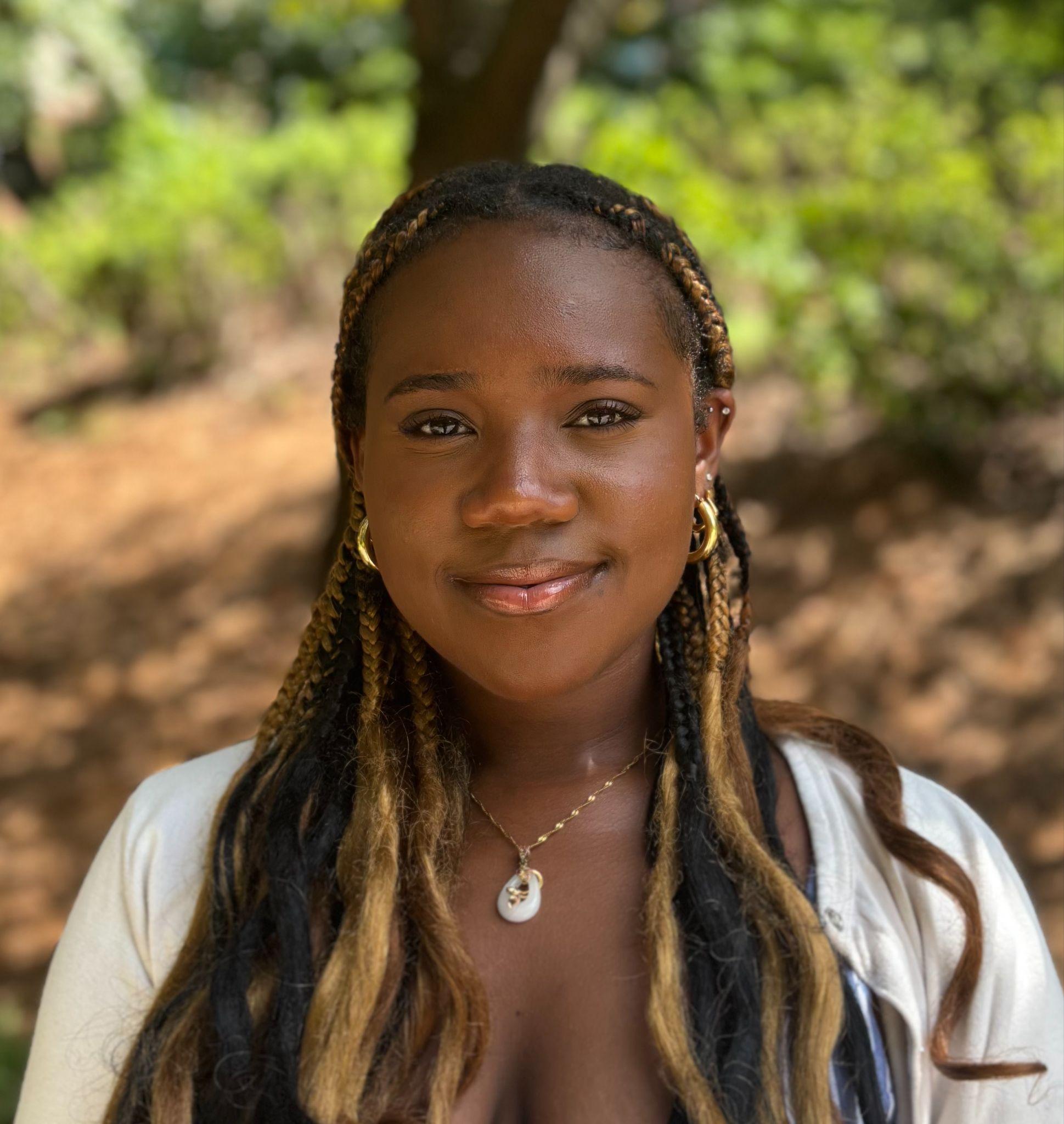
Environmental Engineering · Director of Curriculum, HUGEM
Senior studying Environmental Engineering and HUGEM Director of Curriculum. Technical lead for Engineers Without Borders, writer for The Harvard Crimson, and Earth sciences researcher. Enjoys travel, food, and exercise.

Chemistry · Harvard Class of 2029
Harvard Class of 2029 pursuing Chemistry. Science communicator, published author, and Co-Founder of the Canadian Science Bowl. From Edmonton, Canada; enjoys hiking and sharing science.

Integrative Biology & Chinese · Harvard Class of 2028
Harvard Class of 2028 studying Integrative Biology & Chinese. Korean American from LA with experience studying abroad in Taiwan. Works in media production and plays viola in the Harvard Radcliffe Orchestra.
* Mentors are subject to change
Each year, HUGEM develops programs around the central theme of global citizenship — first, by helping students see how challenges in their own community intersect with the most pressing international issues, and second, by building the skills to act on them.
Leadership workshops, entrepreneurial pitch challenges, and pre-professional conferences combine learning from Harvard Trainers, hands-on problem-solving, and networking with peers — so students embrace their education and future careers with empathy, autonomy, and the ability to make an actionable impact locally, nationally, and internationally.
Students research, stress-test, and pitch their own products, with personalized feedback from Harvard Trainers in venture capital and frontier technologies.
Leadership workshops, pitch challenges, and pre-professional conferences designed to build critical thinking and real-world impact.
Everything you need to know before joining the Pre-Law Horizons Program at Harvard University.
The program is open to students in grades 8 – 12 who are curious about law, politics, justice, and global affairs. No previous experience required.
The Pre-Law Horizons Program runs 11 – 16 January 2027, in person at Harvard University in Cambridge, MA.
This is a day program. Program hours are 9 am – 4 pm Monday through Friday, and 9 am – 12 pm on Saturday. Overnight accommodation is not provided.
The fee covers the full curriculum and instruction, lunch on program days, program-related outings and excursions, interactive workshops and case studies, a Certificate of Participation by HUGEM, and all program materials and resources.
Students move through legal history, political theory, international law, ethics, public service, and legal advocacy, building toward a final capstone proposal they argue on the last day.
Current Harvard undergraduates from HUGEM lead sessions and mentor students throughout the week, alongside workshops, community service, and guest speakers.
Yes. The schedule includes a Harvard campus tour, a visit to the Museum of Fine Arts, Boston, and an MIT tour.
No. The program is organized by Harvard Undergraduate Global Education Movement, an independent student-run organzation. It is not officially provided or endorsed by Harvard University.
The HUGEM Pre-Law Horizons Program builds legal literacy, critical thinking, public service, and confidence.
Apply Now